How to Choose the Best Residential Lighting Options
Lighting plays a fundamental role in how we experience our homes. A well-lit space feels welcoming and comfortable, while poor lighting can make even the most beautifully decorated room feel cramped or uninviting. Choosing the right residential lighting involves balancing aesthetics, functionality, and energy efficiency to create the perfect atmosphere for your daily life.
For homeowners in Duluth, MN, and Superior, WI, effective lighting takes on even greater importance. Long, dark winters require indoor environments that are bright, warm, and uplifting. Selecting the proper fixtures and bulbs can significantly improve your home’s ambiance during those cold months, while also keeping your electricity bills manageable.
Navigating the vast array of available lighting options can feel overwhelming. Homeowners must decide between various bulb technologies, smart home integrations, and countless fixture designs. This guide breaks down the process of choosing the best residential lighting, focusing on energy-efficient solutions, smart technology, budget-friendly choices, and creative design strategies. By understanding these key elements, you can make informed decisions that enhance your living space and ensure your electrical systems are safe and up to code.
Top Energy-Efficient Lighting Options for Homes
Switching to energy-efficient lighting is one of the easiest ways to reduce your household’s energy consumption. Advancements in lighting technology have made it possible to enjoy bright, beautiful light while using a fraction of the electricity required by traditional incandescent bulbs.
LED vs. CFL: Comparison for Residential Use
When shopping for energy-efficient bulbs, you will primarily encounter Light Emitting Diodes (LEDs) and Compact Fluorescent Lamps (CFLs). LEDs are currently the gold standard for residential lighting. They use up to 90% less energy than traditional incandescent bulbs and can last up to 25 times longer.
LEDs reach full brightness instantly, perform well in cold temperatures, and are available in a wide spectrum of color temperatures, from warm yellowish tones to cool daylight blues.
CFLs were the first major energy-efficient alternative to incandescent bulbs. While they are more efficient than older technologies, they fall short of LEDs in several areas. CFLs take time to warm up to full brightness, contain small amounts of mercury that complicate disposal, and generally have a shorter lifespan than LEDs. For modern homes, LEDs are the clear winner due to their superior efficiency, durability, and versatility.
Benefits of Energy-Efficient Lighting Fixtures
Investing in energy-efficient lighting fixtures offers substantial long-term benefits. The immediate advantage is a noticeable reduction in your monthly utility bills. Because LED bulbs draw so little power, you can leave lights on longer without a heavy financial penalty. Furthermore, LEDs produce very little heat compared to incandescent bulbs. This reduces the strain on your home’s air conditioning system during the summer months, leading to additional energy savings. Environmentally, using less electricity decreases your household’s carbon footprint, making your home more sustainable for the future.
Selecting Fixtures for Different Rooms
Every room in your house serves a unique purpose, and your lighting choices should reflect those different functions. A one-size-fits-all approach rarely yields good results. Instead, tailor your fixtures to the specific activities that take place in each space.
Living Room: Creating Comfort and Style
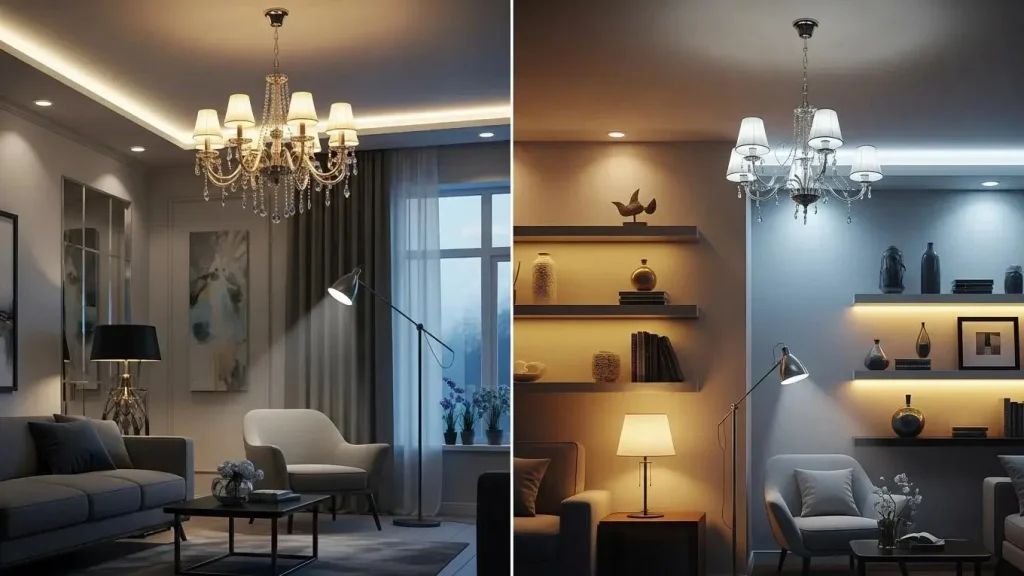
The living room is a multi-functional space used for relaxing, entertaining, watching television, and reading. Because of this, versatility is crucial. Start with a central fixture, such as a statement chandelier or a flush-mount ceiling light, to provide general illumination. Supplement this with floor lamps placed near seating areas to create warm, inviting pockets of light. Dimmer switch installation is highly recommended for living rooms, allowing you to adjust the brightness based on the time of day and the mood you want to set.
Bedroom and Kitchen Lighting Selection
Bedrooms require lighting that promotes relaxation and rest. Avoid harsh overhead lighting when possible. Instead, opt for softer, warmer bulbs. Bedside table lamps or wall-mounted sconces are excellent for reading, while a ceiling fixture with a dimmer can provide general light when needed.
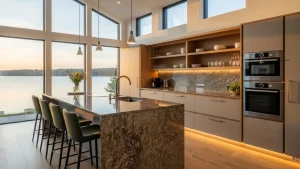
Kitchens, on the other hand, demand bright, focused lighting for safety and functionality. Recessed lighting is a popular choice for providing even, shadow-free illumination across the entire room. Add pendant lights over the kitchen island or peninsula to provide direct task lighting for food preparation and casual dining. Under-cabinet LED strips are also incredibly useful for illuminating countertops, ensuring you have clear visibility while chopping vegetables or reading recipes.
Smart Home Lighting Solutions
The integration of smart technology into residential lighting has completely transformed how we interact with our homes. Smart lighting offers unprecedented control, convenience, and customization.
Key Features to Look For
When exploring smart home electrical installation, pay attention to the specific features offered by different systems. Many smart bulbs and switches connect directly to your home’s Wi-Fi network, allowing you to control them via a smartphone app. Look for systems that offer scheduling capabilities, enabling you to program your lights to turn on and off at specific times. Color-changing abilities are another popular feature, allowing you to alter the hue and temperature of the light to suit any occasion. Compatibility with voice assistants like Amazon Alexa, Google Assistant, or Apple HomeKit is also essential for seamless, hands-free operation.
Improving Energy Efficiency and Convenience
Smart lighting systems take energy efficiency to the next level. By setting schedules, you ensure that lights are never accidentally left on when the house is empty. Some advanced systems use motion sensors to illuminate rooms only when occupied, automatically turning off when you leave. Geofencing technology can even track your smartphone’s location, shutting down all the lights in your house the moment you drive away for the day. For homeowners in Duluth and Superior, scheduling your lights to turn on just before you arrive home on a dark winter evening provides both comfort and enhanced security.
Affordable Residential Lighting Without Sacrificing Quality
Upgrading your home’s lighting does not require emptying your bank account. With a strategic approach, you can find high-quality fixtures and bulbs that fit comfortably within your budget.
Finding Budget-Friendly Options
Start by prioritizing which rooms need the most immediate attention. You do not have to upgrade your entire house at once. Focus first on high-traffic areas like the kitchen and living room. When shopping for fixtures, look closely at the materials. Matte black, brushed nickel, and polished brass finishes are widely available at various price points. Big-box hardware stores and reputable online retailers frequently offer budget-friendly lines that mimic the look of high-end designer fixtures.
Balancing Cost and Durability
While saving money is important, you should never compromise on safety or durability. Extremely cheap, unbranded fixtures purchased from unverified online sellers can suffer from poor wiring and shoddy construction, posing a significant fire hazard. Always ensure that the electrical products you purchase are UL-listed or carry a similar safety certification. Investing slightly more upfront for a well-made fixture will save you money on replacement costs and potential electrical repairs down the line.
Creative Residential Lighting Design Ideas
Great lighting design elevates the aesthetic appeal of your home. By combining different types of light and staying informed about current trends, you can create a space that feels professionally designed.
Using Layered Lighting (Functional and Decorative)
Interior designers rely on the concept of layered lighting to create depth and interest in a room. This involves combining three distinct types of lighting: ambient, task, and accent. Ambient lighting provides the overall baseline illumination (like ceiling fixtures). Task lighting is focused on specific work areas (like reading lamps or under-cabinet lights). Accent lighting is used to highlight architectural features, artwork, or decorative objects (like picture lights or track lighting). Layering these three elements prevents a room from looking flat and allows you to adjust the lighting to suit different activities.
Popular Styles and Trends
Current residential lighting trends lean toward clean lines and bold materials. Minimalist fixtures featuring exposed Edison-style LED bulbs remain highly popular for industrial and modern farmhouse interiors. Geometric shapes, oversized pendants, and fixtures blending mixed metals (like brass and matte black) are frequently used to make a strong visual statement. In coastal or natural-themed homes, fixtures incorporating woven rattan, wood, and organic textures are heavily utilized to bring warmth into the space.
Maintenance and Upgrades
To keep your home safe and fully powered, your electrical and lighting systems require periodic maintenance and timely upgrades. Ignoring warning signs can lead to hazardous situations.
When to Replace or Upgrade Fixtures
Light fixtures do not last forever. If your fixtures are physically damaged, heavily rusted, or if the wiring appears frayed or brittle, it is time for a replacement. Additionally, if you are relying on outdated almond-colored switches or if your home lacks sufficient lighting, an upgrade is necessary. Buzzing sounds, flickering lights, or switches that feel warm to the touch indicate an underlying electrical problem. In these situations, electrical troubleshooting and diagnosis by a licensed professional are critical.
Tips for Maintaining Energy-Efficient and Smart Lights
Maintaining modern lighting systems is relatively straightforward. Regularly dust your light fixtures and bulbs; a thick layer of dust can significantly diminish the light output and cause the bulb to retain heat, shortening its lifespan. For smart lighting systems, ensure your Wi-Fi network is secure and stable, and routinely check the manufacturer’s app for software updates to keep your devices running smoothly and securely.
Frequently Asked Questions About Residential Lighting
What is a GFCI outlet and do I need one for my lights?Ground Fault Circuit Interrupter (GFCI) outlets are designed to protect against electric shock in moisture-prone areas. Standard outlets in kitchens, bathrooms, garages, and outdoor spaces are a shock hazard that do not meet current safety codes. If you are plugging in lamps or string lights in these areas, a GFCI outlet installation is required for your safety.
Can I install dimmer switches myself?While some homeowners attempt DIY electrical work, installing dimmer switches requires handling live wiring and ensuring compatibility with your existing LED or incandescent bulbs. Incorrect installation can lead to flickering lights, buzzing sounds, or fire hazards. It is highly recommended to hire a professional electrician to ensure smooth, flicker-free performance and proper grounding.
Why does my ceiling fan wobble and hum?A ceiling fan that wobbles or hums was likely installed incorrectly, has unbalanced blades, or features faulty wiring. This is a liability waiting to become an incident. A professional can handle the full installation, including secure mounting and correct wiring, ensuring the unit operates quietly and safely.
Transform Your Home's Lighting with Heyday Home Solutions
Upgrading your residential lighting enhances your daily comfort, lowers your energy bills, and adds significant value to your property. However, electrical work requires precision and a strict adherence to safety standards. Every room in your home should have power exactly where you need it, and your fixtures must be installed correctly to function at their best.
For homeowners in Duluth, MN, and Superior, WI, Heyday Home Solutions offers professional residential electrical services that keep your home safe and fully powered. With over 25 years of experience, our locally owned team handles everything from light fixture installation and upgrades to smart home electrical integration and circuit breaker replacements. We take pride in clear communication, quality workmanship, and attention to detail. Do not wait for small electrical issues to become major hazards. Reach out to Heyday Home Solutions today for professional electrical service you can trust.